
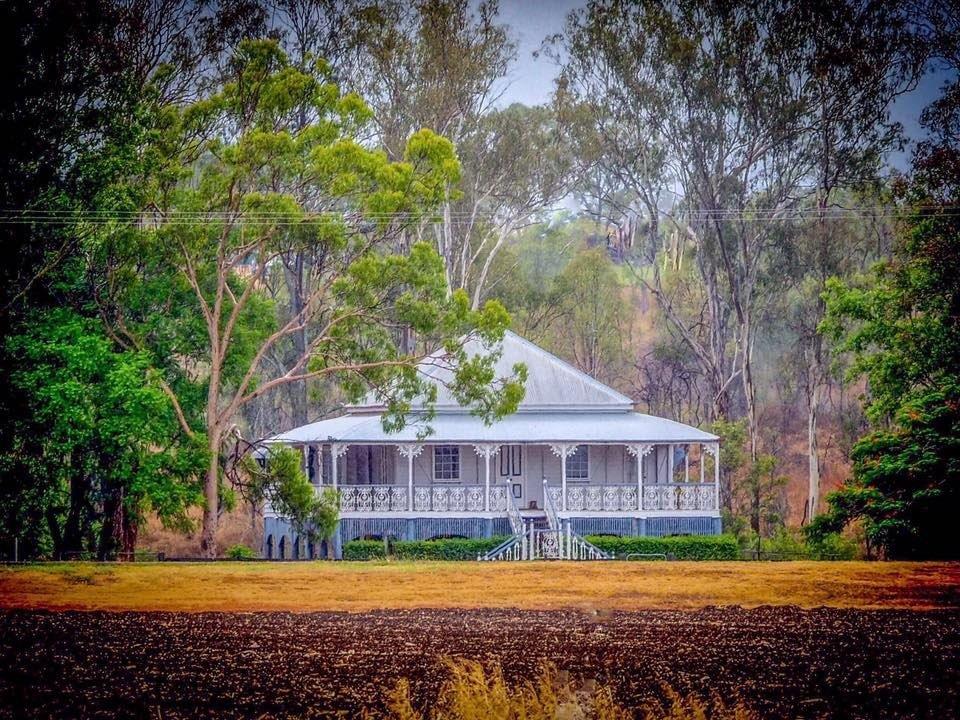
n an era where sustainability often means “high-tech”—think solar tiles, Tesla batteries, and smart monitors—one of the greenest choices you can make is decidedly low-tech: recycling an entire house.
For many Australians, the dream of home ownership involves building new. We picture pristine slabs, freshly painted plasterboard, and modern fixtures. However, the environmental cost of this dream is steep. The construction industry is a major contributor to carbon emissions and landfill, with the average new build leaving a significant ecological footprint before the front door even opens.
A removal home, a structure lifted from its original site and trucked to a new location, offers a powerful alternative. It is the ultimate act of recycling, bypassing the carbon-heavy manufacturing process of new builds and diverting massive amounts of waste from landfill. By choosing to relocate a character-filled Queenslander or a sturdy post-war cottage, you aren’t just buying a house; you are making a profound commitment to sustainable living.
We will break down exactly why removal homes outperform new builds when it comes to sustainability, covering everything from embodied carbon and waste reduction to resource conservation and energy efficiency.
Understanding the Environmental Cost of New Builds
To appreciate the value of a removal home, we first need to look at the impact of standard construction. Building a new home is an incredibly resource-intensive process. From the moment the soil is turned, the carbon meter starts running.
The Hidden Burden of “Embodied Carbon”
When we talk about a home’s carbon footprint, we often focus on operational carbon—the energy used to heat, cool, and light the house. However, a huge portion of a building’s total lifetime emissions comes from “upfront” or embodied carbon. This includes:
- Extraction: Mining raw materials for concrete, steel, and glass.
- Manufacturing: The energy-intensive processing of these raw materials (cement production alone is a massive global emitter).
- Transport: Shipping heavy materials across the globe or country to the building site.
- Construction: The diesel fuel used by heavy machinery during the build.
Research suggests that the construction of a typical single-family Australian home can generate around 185 tonnes of upfront carbon emissions. That is a debt the environment pays before you even move in.
The Problem of Demolition Waste
Furthermore, for many new builds to happen, an existing structure must be removed. In standard development, “removal” usually means demolition. An excavator crunches through the house, turning timber, glass, and roofing into debris.
Construction and demolition (C&D) waste accounts for approximately 40% of Australia’s total waste. When a single house is demolished, it can generate between 40 to 90 tonnes of waste, much of which ends up in landfill. This “out with the old, in with the new” mentality is ecologically expensive, discarding materials that still have decades of life left in them.
How Removal Homes Significantly Reduce Carbon Emissions
If new builds are “carbon bombs,” removal homes are carbon savers. The primary environmental benefit of a removal home is that the structure already exists. The energy required to fell the trees, mill the timber, and construct the frame was expended decades ago.
Preserving Embodied Carbon
By reusing an existing home, you are effectively recycling the most carbon-intensive parts of a building: the timber frame, the flooring, and the cladding. You don’t need to cut down new forests or fire up kilns for new bricks. The embodied carbon is already “locked in” to the existing materials.
When you choose a removal home, you are simply extending its lifespan rather than spending new energy to build a replacement. The only significant new carbon cost involved is the fuel for the truck to transport the home and the materials for the new stumps and foundations.
Reducing Transport Emissions
It might seem counterintuitive to say that putting a house on a truck is eco-friendly. However, compare a single house move to the logistics of a new build. A new construction site requires dozens, if not hundreds, of deliveries—cement trucks, brick deliveries, timber supplies, roofing materials, and contractors coming and going over months.
In contrast, a removal home moves in one or two pieces (shifts). The carbon emitted by a truck moving a house 100km is negligible compared to the cumulative emissions of the manufacturing and logistics chain required for a new slab and frame.
Waste Reduction: Diverting Tonnes of Material From Landfill
The concept of the “Circular Economy” is gaining traction globally. It moves away from the linear model of “take-make-waste” to one where materials are kept in use for as long as possible. Removal homes are the circular economy in action.
Saving the Structure
When a developer clears a block for new townhouses or a commercial centre, the existing home on that block faces two fates: demolition or relocation.
Choosing to relocate that home prevents tonnes of high-quality materials from entering the waste stream. We’re talking about hardwood timber framing, expansive floorboards, roofing iron, windows, and doors—materials that are often superior in quality to modern equivalents.
The Value of Queenslander Timber
Many of the homes we relocate at Dalby Removal Homes are classic Queenslanders or post-war cottages. These homes were often built using old-growth hardwood, which is denser, stronger, and more termite-resistant than the fast-grown plantation pine used today.
Sending this timber to landfill is a tragedy of waste. It releases the carbon stored in the wood back into the atmosphere as it decays. By relocating the house, we keep that carbon stored in the timber and prevent the need for new trees to be harvested. It is a double win for the environment.
Resource Conservation: Reusing What Already Exists
Beyond carbon and waste, we must consider the raw consumption of natural resources. The earth has finite resources, and the construction industry is one of the hungriest consumers of them.
Reducing Demand for New Materials
Every removal home that is re-stumped and renovated is one less home that requires:
- Sand and Aggregate: Used in concrete, the extraction of which can damage river ecosystems.
- Iron Ore and Coal: Used to produce steel for frames and roofing.
- Gypsum: Mined for plasterboard.
- Water: Massive amounts of water are used in the manufacturing of building materials.
By reusing what already exists, we reduce the pressure on these natural systems. It is a philosophy of stewardship—taking care of what we have rather than constantly demanding more.
The Integrity of Older Materials
There is a saying: “They don’t build them like they used to.” In the case of removal homes, this is often true. The structural integrity of older buildings is remarkable. These homes have withstood decades of Australian weather—cyclones, droughts, and floods—and are still standing strong.
Restoring these materials often requires far fewer resources than manufacturing new ones. Sanding back existing floorboards uses a fraction of the energy required to manufacture, transport, and install new synthetic flooring or carpet.
Energy Efficiency Gains Through Modern Upgrades
A common misconception is that older homes are energy inefficient “hotboxes” or “iceboxes.” While an un-renovated Queenslander can be drafty, the relocation process provides the perfect opportunity to upgrade the home to modern energy standards—often exceeding the performance of standard new builds.
Passive Design Fundamentals
Many heritage homes were built before air conditioning, meaning they were designed with passive cooling in mind. Features like high ceilings, wide verandahs, and breezeways facilitate cross-ventilation and keep the home cool naturally.
When you relocate a home, you have the unique advantage of orienting it perfectly on your block to take advantage of the sun and prevailing breezes—something you can’t do with an existing fixed home.
The Opportunity for Retrofitting
Once the home is on your site, you can supercharge its efficiency. Because the house is often raised during the move, installing high-quality underfloor insulation is easy. Wall and ceiling insulation can be added during renovations.
Upgrading to double-glazed windows, sealing drafts, and installing solar panels can turn a heritage home into a net-zero energy powerhouse. You get the aesthetic soul of a historic home with the low running costs of a modern eco-build.
The Sustainability Benefits of Raising and Re-Stumping
One of the distinct advantages of the removal home process is the installation of new stumps. When you buy a removal home, it is typically placed on new steel adjustable stumps. This offers significant long-term sustainable benefits.
Minimal Site Impact
Standard new builds usually require a slab-on-ground foundation. This involves significant excavation, disrupting the soil profile and natural drainage of the land, followed by pouring massive amounts of concrete (a high-carbon material).
Stumped homes touch the earth lightly. They require far less concrete and minimal excavation. This preserves the soil health and allows water to flow naturally across the land, reducing erosion and drainage issues.
Future-Proofing and Resilience
Raising a home improves airflow underneath, which helps keep the house cool and reduces dampness. It also provides flood resilience—a critical factor in many parts of Queensland and New South Wales.
Steel adjustable stumps allow you to easily relevel the house if the ground shifts over time, extending the structural lifespan of the building significantly. This longevity is a key component of sustainability; the longer a building lasts, the lower its environmental impact per year of life.
Comparing Costs: Why Eco-Friendly Often Means Cost-Effective
It is a happy coincidence that the most sustainable option is often the most affordable one. The “green premium” that often comes with eco-friendly new builds (expensive sustainable materials, high-tech systems) does not apply here.
Savings on Structure
With a removal home, you are buying the entire structural shell—roof, frame, floor, and cladding—for a fraction of what it would cost to build new. Prices for our homes generally range from $55,000 to $130,000 delivered and stumped (depending on location and size). Compare this to the cost of building a new frame and shell, and the savings are substantial.
Budget for Sustainability
Because you save so much on the initial purchase structure, you often have more room in your budget for sustainable upgrades. The money saved on the frame can be redirected into high-quality insulation, solar power systems, rainwater tanks, or eco-friendly paints and finishes.
This makes sustainable living accessible to more families. You don’t need a luxury budget to have a green home; you just need to think differently about how you build.
Why Removal Homes Align With the Future of Sustainable Living
As Australians become more eco-conscious, the housing market is shifting. We are moving away from the “disposable” culture and towards one of restoration and authenticity.
Removal homes sit at the intersection of heritage and sustainability. They allow us to preserve our architectural history while meeting modern environmental responsibilities. They appeal to the eco-conscious renovator who sees the value in old-growth timber, the character in VJ walls, and the logic in saving a house from the bulldozer.
Choosing a removal home is a statement. It says that you value quality over novelty. It says that you understand the true cost of materials. And it demonstrates that a beautiful, comfortable home doesn’t have to cost the earth.
Conclusion
The decision to build or buy a home is one of the biggest financial and environmental commitments you will make. While new builds have their place, the argument for removal homes as the most eco-friendly option is compelling.
From the massive savings in embodied carbon and the diversion of waste from landfill to the conservation of precious hardwood resources and the minimal impact on your land, removal homes check every sustainability box. They offer a unique path to home ownership that honours the past while protecting the future.
If you are ready to explore a housing option that is kind to your wallet and the planet, we are here to help.
Ready to start your sustainable housing journey?
- Browse our current Houses for Sale to see what’s available.
- Learn more about the process on our Relocating Information page.
- Get to know us better on our About Us page.
At Dalby Removal Homes, we’re proud to lead the way in sustainable living. Let’s find your dream home—and save a few trees along the way.
