
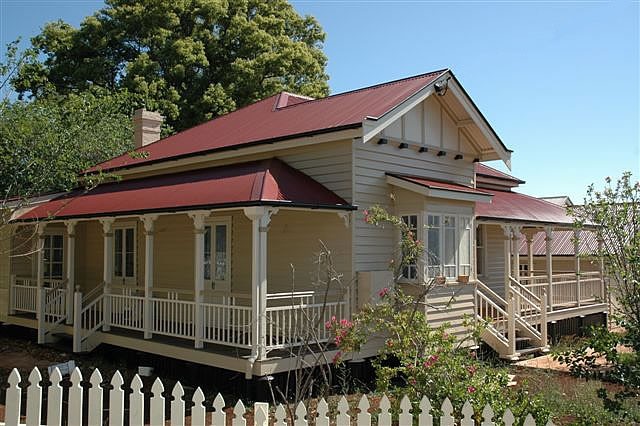
Watching a massive Queenslander or a classic Colonial cottage gliding down the highway in the middle of the night is a sight that stops traffic. It looks like a magic trick—a solid, heavy structure that was sitting on a block of land yesterday is suddenly mobile, ready to begin a new life in a completely different location. But for the prospective buyer, the magic quickly gives way to practical decision-making.
Choosing a removal home is one of the most sustainable and cost-effective ways to enter the property market or add a secondary dwelling to your land. However, once you have committed to the concept of house relocation, you face a pivotal fork in the road: do you choose a Heritage home with its rich history and ornate detailing, or a Modern removal home that promises contemporary layouts and lower maintenance?
This decision isn’t just about aesthetics; it dictates your renovation budget, your maintenance schedule, your energy bills, and the complexity of your council approvals. Whether you are swooning over VJ walls and breezeways or prioritising open-plan living and energy ratings, understanding the distinct differences between these two categories is essential.
In this guide, we will delve into the structural, financial, and lifestyle implications of choosing between a heritage masterpiece and a modern practical home, helping you make an informed decision that suits your long-term goals.
What Defines a Heritage Removal Home?
When we speak of heritage removal homes in Australia, and specifically Queensland and Northern NSW, we are often referring to the iconic “Queenslander” and its various iterations—the Colonial cottage, the Federation bungalow, and the Worker’s Cottage. These homes, typically built between the 1860s and the 1930s, are architectural icons designed specifically for the sub-tropical climate.
A heritage removal home is defined by its craftsmanship. These structures were built in an era where timber was abundant and labour was relatively cheap, resulting in detailing that is prohibitively expensive to replicate today.
Key Characteristics of Heritage Homes:
- Construction: Almost exclusively timber-framed with timber weatherboard cladding. They are designed to be high-set on stumps, allowing for airflow underneath to cool the building.
- Materials: Durable hardwoods (often Ironbark or Spotted Gum) were used for framing and flooring, while Hoop Pine was the standard for the iconic VJ (vertical joint) walls and ceilings.
- Ventilation: Features like breezeways (fretwork panels above doors), high ceilings (often 10-12 feet), and French doors opening onto verandahs were engineered to maximise cross-ventilation before the advent of air conditioning.
- Aesthetics: Decorative features such as intricate fretwork, stained glass windows, picture rails, and wide, wrap-around verandahs give these homes their undeniable romantic appeal.
Owning a heritage home is akin to being a custodian of history. You are preserving a piece of Australian architecture that cannot be mass-produced.
What Defines a Modern Removal Home?
The term “Modern” in the removal home industry typically covers a broad spectrum, ranging from post-war austerity housing (1940s-1950s) to contemporary homes built in the last 10–20 years. These homes reflect a shift in Australian lifestyle preferences and construction technologies.
While they may lack the ornate detailing of their 19th-century counterparts, modern removal homes offer a level of practicality and structural predictability that appeals to many first-home buyers and investors.
Key Characteristics of Modern Removal Homes:
- Layouts: Post-1970s homes increasingly feature open-plan living and dining areas, wider hallways, and built-in storage—features often absent in original colonial cottages.
- Materials: While timber frames are still common, you will also see steel frames, fibre-cement cladding (HardiePlank), and occasionally brick veneer (though the bricks are removed before transport, leaving the timber frame to be re-clad).
- Ceiling Height: Standard ceiling heights dropped to 2.4 metres or 2.7 metres, making them easier to heat and cool but sacrificing the airy volume of heritage homes.
- Glazing: Larger windows, sliding glass doors, and aluminium frames became standard, prioritising natural light and indoor-outdoor flow to alfresco areas rather than traditional verandahs.
Modern removal homes are often viewed as a “blank canvas.” They are generally easier to modify and update without the fear of destroying historical significance.
Design and Layout Comparison
The most immediate difference you will notice when walking through these two types of homes is the flow of space.
The Heritage Layout
Traditional Queenslander homes were compartmentalised. They often feature a central corridor with bedrooms branching off to the sides, leading to a kitchen and dining area at the rear. The “sleepout”—a verandah that has been enclosed to create an extra bedroom—is a common feature. While charming, these layouts can feel disjointed to modern families used to open-plan living. However, the external walls are structurally simple, allowing you to easily extend the home or open up internal walls (with engineering approval) to create larger spaces.
The Modern Layout
Modern removal homes are designed with the contemporary family in mind. You are more likely to find ensuites attached to master bedrooms, built-in wardrobes, and kitchens that are integrated with living spaces rather than tucked away in a separate room. The integration of indoor and outdoor living via sliding stacker doors is a common feature in homes built from the 1990s onwards. If your lifestyle revolves around entertaining and keeping an eye on the kids while cooking, a modern layout may require fewer structural alterations.
Compliance and Building Regulations
Navigating council approvals is a critical step in the removal home process, and the age of the home can significantly impact this journey.
Heritage Overlays and Character Codes
If you are moving a home into a designated “Character Residential” zone or an area with a Heritage Overlay, a heritage removal home is often the only choice. Councils may require that the new dwelling maintains the traditional streetscape character.
- Pros: A heritage home will slide through character approvals easier than a modern box.
- Cons: You may be restricted in how you renovate the façade, the materials you use (e.g., timber windows vs aluminium), and the colours you paint it.
Energy Efficiency (6-Star Rating)
In Queensland and NSW, relocated homes generally need to meet current building standards, which includes energy efficiency compliance.
- Modern Homes: Often easier to bring up to code as they may already have wall insulation and standard window sizes for double-glazing retrofits.
- Heritage Homes: The single-skin VJ walls of a classic Queenslander offer zero insulation. To achieve energy compliance, you may need to add insulation to ceilings and under-floors, or even frame out new internal walls to house batts, which can slightly reduce room dimensions and cover original features.
Asbestos Considerations
It is a misconception that only old homes have asbestos.
- Heritage: Pre-1940s homes are often surprisingly clean of asbestos unless they had renovations done in the mid-century (e.g., asbestos sheeting added to enclose verandahs or line bathrooms).
- Mid-Century Modern: Homes built between 1945 and 1985 are the most likely to contain asbestos in wall sheeting, eaves, and flooring underlay. This must be professionally removed before the house is transported, which is an additional cost to factor in.
Renovation and Modification Potential
Are you a DIY enthusiast looking for a labour of love, or do you want a move-in-ready solution?
The Heritage Renovation
Renovating a heritage home is a commitment to craftsmanship. If you need to replace a rotten weatherboard or a section of VJ wall, you cannot simply buy a standard sheet of plasterboard. You must source matching timber profiles.
However, the timber frames of heritage homes are generally hardwood and incredibly robust. These homes have stood for 100 years and, with the right maintenance, will stand for 100 more. Raising a Queenslander to build underneath is a popular way to double the floor space, effectively blending heritage character upstairs with modern living downstairs.
The Modern Modification
Modern removal homes are often easier to renovate in terms of material availability. Standard plasterboard, aluminium windows, and off-the-shelf fixtures fit easily. However, truss roofs common in modern homes can make removing internal walls slightly more complex than the stick-framed roofs of heritage homes, as the trusses are load-bearing across the entire span.
Cost Considerations and Budget Planning
The purchase price of the hull is just the beginning. When budgeting, you must consider the “hidden” costs associated with the style of home.
Purchase Price
Heritage homes generally command a higher purchase price due to their scarcity and high demand. A pristine Gable Queenslander will cost significantly more than a 1980s 3-bedroom removal home. You can view our current range of removal homes for sale to compare current market pricing.
Transport Costs
Transport costs are calculated based on distance and the physical dimensions of the house.
- Heritage Homes: Often feature steep roof pitches and wide eaves. To travel legally, the roof may need to be lowered or cut, and the house may need to be cut into two or more sections (a “double shift”). This increases transport and re-joining costs.
- Modern Homes: Often designed with lower roof pitches or truss systems that can travel more easily. If a modern home can be moved in one piece (single shift), you save significantly on transport and joinery costs.
Council Bond
Most councils require a security bond to ensuring the home is renovated to a habitable standard within a set timeframe. Because heritage homes often require more extensive exterior renovation (painting, rot repair), the timeline to get your bond back can be longer compared to a modern clad home that might just need a wash and a new roof.
Lifestyle and Location Suitability
Your block of land and your lifestyle should dictate your choice as much as your personal taste.
The Rural Block
Heritage homes look spectacular on acreage. The wide verandahs provide shade from the harsh sun, and the raised elevation catches breezes that sweep across paddocks. They sit naturally in the Australian landscape. If you have a rural block, a heritage home offers an immediate sense of established permanence.
The Coastal or Suburban Block
If you are moving a home to a coastal location, salt air is the enemy of timber. A heritage home will require diligent painting and maintenance to protect the timber weatherboards. A modern removal home with fibre-cement cladding or Colorbond finishes will be far more resilient to salt spray and require less weekend maintenance, leaving you more time to enjoy the beach.
The Maintenance Factor
Ask yourself honestly: Do you enjoy painting?
- Heritage: Requires regular painting of weatherboards, oiling of decks, and checking of timber stumps (though most removal homes are placed on new steel or concrete stumps).
- Modern: Often features low-maintenance cladding, aluminium windows that don’t rot, and simpler rooflines that are easier to clean.
Pros and Cons Summary
Heritage Removal Homes
Pros:
- Unmatched character, street appeal, and resale value.
- High ceilings and excellent natural cross-ventilation.
- Superior hardwood structural framing.
- High potential for “building underneath” to double floor space.
Cons:
- Requires higher ongoing maintenance (painting, timber care).
- Often more expensive to transport due to roof height and width.
- Energy efficiency upgrades can be tricky and costly.
- Renovations require specific materials and skilled tradespeople.
Modern Removal Homes
Pros:
- Generally more affordable to purchase and transport.
- Lower ongoing maintenance requirements.
- Easier to achieve 6-star energy efficiency ratings.
- Contemporary layouts often include built-in storage and open-plan living.
Cons:
- Can lack unique character and architectural “soul.”
- Lower ceiling heights can feel less spacious.
- Depending on the era, may contain asbestos (must be removed prior to transport).
- Resale value is often tied to the land value rather than the house itself.
Conclusion
Whether you fall in love with the romantic charm of a 1920s Queenslander or the pragmatic efficiency of a contemporary removal home, both options offer incredible value compared to building new. By choosing a removal home, you are saving tons of waste from landfill and preserving embodied energy—a choice that benefits both your wallet and the planet.
The “right” choice depends on your budget for renovation, your willingness to perform maintenance, and the specific requirements of your council area.
At Dalby Removal Homes, we buy and sell a wide variety of high-quality homes ranging from historic colonial cottages to modern family residences. Our experienced team can guide you through the selection process, helping you assess which style will best fit your land and your lifestyle.
Ready to find your dream home? Browse our extensive catalogue of removal homes for sale or contact us today to discuss your project.
